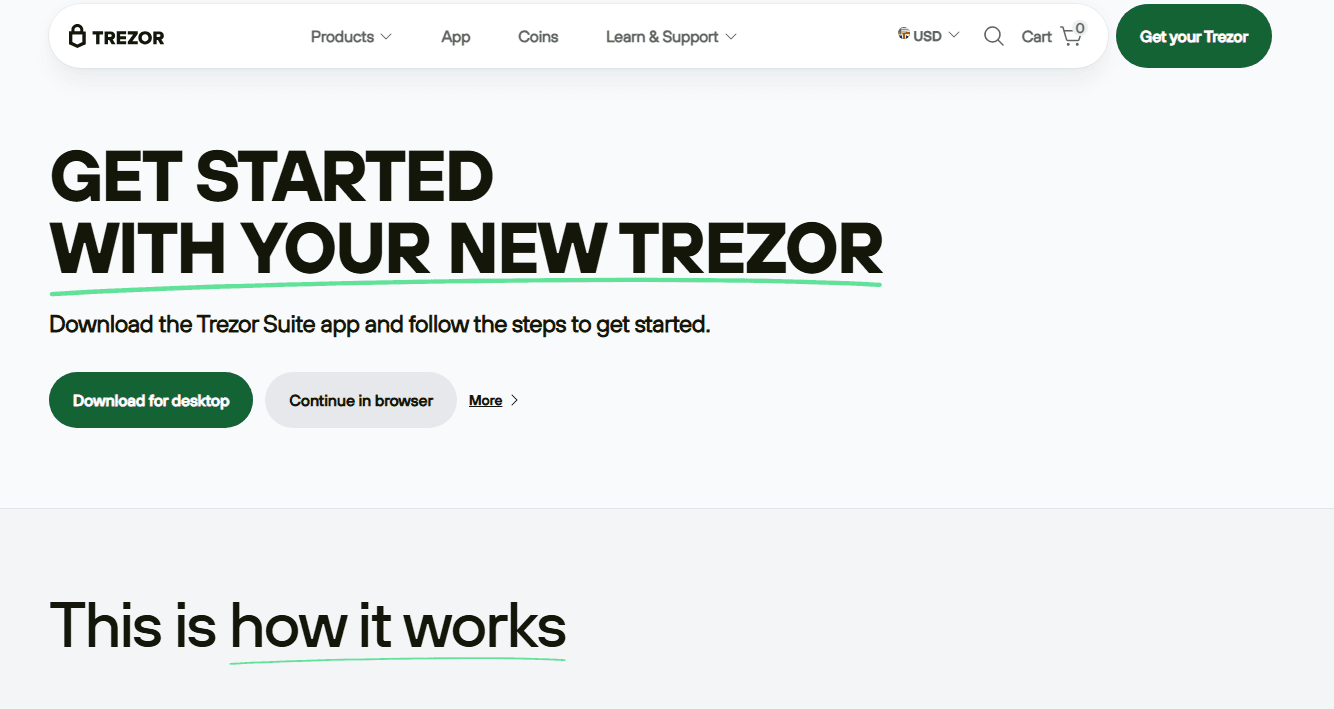
Trezor Login: A Complete Guide to Secure Cryptocurrency Access
Trezor Login is the official gateway for accessing Trezor Suite and managing cryptocurrency through Trezor hardware wallets. It provides a secure, reliable, and user-friendly method to authenticate users, authorize transactions, and monitor cryptocurrency accounts while keeping private keys offline and protected.
For both beginners and experienced users, understanding how Trezor Login works is essential for maintaining the safety of digital assets. This guide explores the entire login process, security practices, troubleshooting tips, and how to use Trezor Login effectively for secure cryptocurrency management.
What is Trezor Login?
Trezor Login is more than a traditional login system. It is a multi-layered authentication framework that ensures only authorized users can access cryptocurrency accounts. Integrated with Trezor Suite and the hardware wallet, it safeguards private keys by keeping them offline while allowing secure access to account features.
By using Trezor Login, users confirm their identity, connect their hardware wallet, and gain secure access to account management tools. This combination of device authentication and offline key storage provides both convenience and security, making it an essential step in cryptocurrency management.
Step 1: Accessing the Trezor Login Interface
The first step in the login process is accessing the Trezor Login interface through Trezor Suite. Users should ensure they are on the official platform to avoid phishing attacks or fraudulent websites. Verifying the platform before login ensures credentials are transmitted securely and reduces the risk of unauthorized access.
Step 2: Connecting Your Trezor Hardware Wallet
Once the login interface is open, the next step is connecting the Trezor hardware wallet to your device. This connection is essential for secure authentication and account access. Key steps include:
Plugging the hardware wallet into a USB port or using a compatible mobile connection.
Ensuring the device is recognized by the system.
Verifying the device’s authenticity to prevent the use of counterfeit wallets.
Connecting the hardware wallet ensures that all login actions are authorized directly from the device, providing strong protection for private keys.
Step 3: Authenticating the Login
Trezor Login uses multi-layered security to verify user identity and protect accounts. Authentication involves:
PIN Verification: Users enter a secure PIN on the hardware wallet to unlock access.
Optional Passphrase: An additional layer of security that can be enabled for extra protection.
Device Verification: Confirms that commands are coming from the genuine hardware wallet.
These measures ensure that only the rightful owner can access accounts, keeping private keys secure and offline.
Step 4: Accessing Accounts
After authentication, Trezor Login grants access to accounts within Trezor Suite. Users can:
View cryptocurrency balances and account summaries.
Monitor transaction history and account activity.
Send and receive cryptocurrency securely.
Manage multiple cryptocurrency accounts in one interface.
Trezor Login links account access directly to the hardware wallet, ensuring security and convenience for portfolio management.
Step 5: Authorizing Secure Transactions
One of the key features of Trezor Login is authorizing transactions securely. Transactions are signed offline on the hardware wallet, which prevents exposure of private keys. The process involves:
Reviewing transaction details on the hardware wallet’s display.
Confirming or rejecting transactions using the device buttons.
Signing transactions offline and transmitting them securely.
Offline signing protects private keys even if the connected computer or mobile device is compromised, ensuring secure transfers of cryptocurrency.
Step 6: Implementing Security Best Practices
Trezor Login emphasizes several security measures to keep cryptocurrency accounts safe:
Store Recovery Seeds Offline: Maintain secure backups in multiple offline locations.
Use Strong PINs and Passphrases: Protect login with unique, complex codes.
Verify Device Authenticity: Ensure your hardware wallet is genuine and untampered.
Monitor Accounts Regularly: Review balances and transaction history to detect suspicious activity.
Keep Software Updated: Update Trezor Suite and hardware firmware regularly for optimal security.
Following these best practices reduces the risk of unauthorized access and ensures long-term asset protection.
Troubleshooting Login Issues
Common login challenges include:
Device Not Recognized: Check USB connections, drivers, and device compatibility.
Incorrect PIN Attempts: Follow device instructions to safely regain access.
Authentication Failures: Ensure both the device firmware and Trezor Suite are updated.
Transaction Problems: Confirm transaction details and device connection for smooth authorization.
Trezor Login provides guidance for resolving these issues to maintain secure and uninterrupted access to accounts.
Benefits of Trezor Login
Trezor Login offers several advantages for cryptocurrency users:
Secure Access: Multi-layered authentication protects accounts.
Offline Key Protection: Private keys remain on the hardware wallet.
Centralized Management: Manage multiple accounts and cryptocurrencies from one interface.
User-Friendly Interface: Intuitive design suitable for both beginners and advanced users.
Long-Term Security: Continuous protection of cryptocurrency holdings with integrated security practices.
These benefits make Trezor Login a critical component of safe cryptocurrency management.
User Experience and Interface
Trezor Login balances usability with strong security. Step-by-step prompts, clear instructions, and interactive guidance help users navigate the login process, connect devices, and access accounts confidently. Beginners can follow instructions without confusion, while advanced users can enable extra security features like passphrases and multi-device management.
All sensitive actions, including transaction confirmation and account management, occur directly on the hardware wallet. This ensures that private keys remain offline, secure, and protected from potential online threats.
Long-Term Security Practices
Maintaining security over time requires continued vigilance. Trezor Login encourages the following practices:
Store the hardware wallet in a secure physical location.
Keep multiple offline backups of recovery seeds.
Regularly monitor accounts for unusual activity.
Ensure all devices used to access Trezor Suite are trusted.
Update device firmware and software consistently to address security vulnerabilities.
Following these measures helps ensure sustained protection of digital assets and reliable account access.
Conclusion
Trezor Login is a secure, reliable, and essential gateway for managing cryptocurrency accounts with a hardware wallet. It combines offline key protection, multi-layer authentication, and a user-friendly interface to provide secure access to Trezor Suite and cryptocurrency accounts.
By following recommended login procedures and security best practices, users can safely access accounts, authorize transactions, and monitor cryptocurrency portfolios. Trezor Login ensures that private keys remain offline and secure, reducing the risk of unauthorized access and asset loss.
For beginners and advanced users alike, Trezor Login is an indispensable tool for managing cryptocurrency confidently and securely. It provides peace of mind while maintaining full control over digital assets, making it a cornerstone of safe cryptocurrency management.